- Place:
-
Dalí Theatre-Museum
- Typology:
- Activity
- Activity dates:
-
October 8, 2025 - November 27, 2025
1st of october 2026 at 19:15 - Languages:
- Catalan, English
- Price:
- Free entrance with previous booking
A lecture as part of the Dalí Fellowship Programme, the international initiative of the Fundació Gala-Salvador Dalí to promote research and knowledge of Dalí’s work and legacy
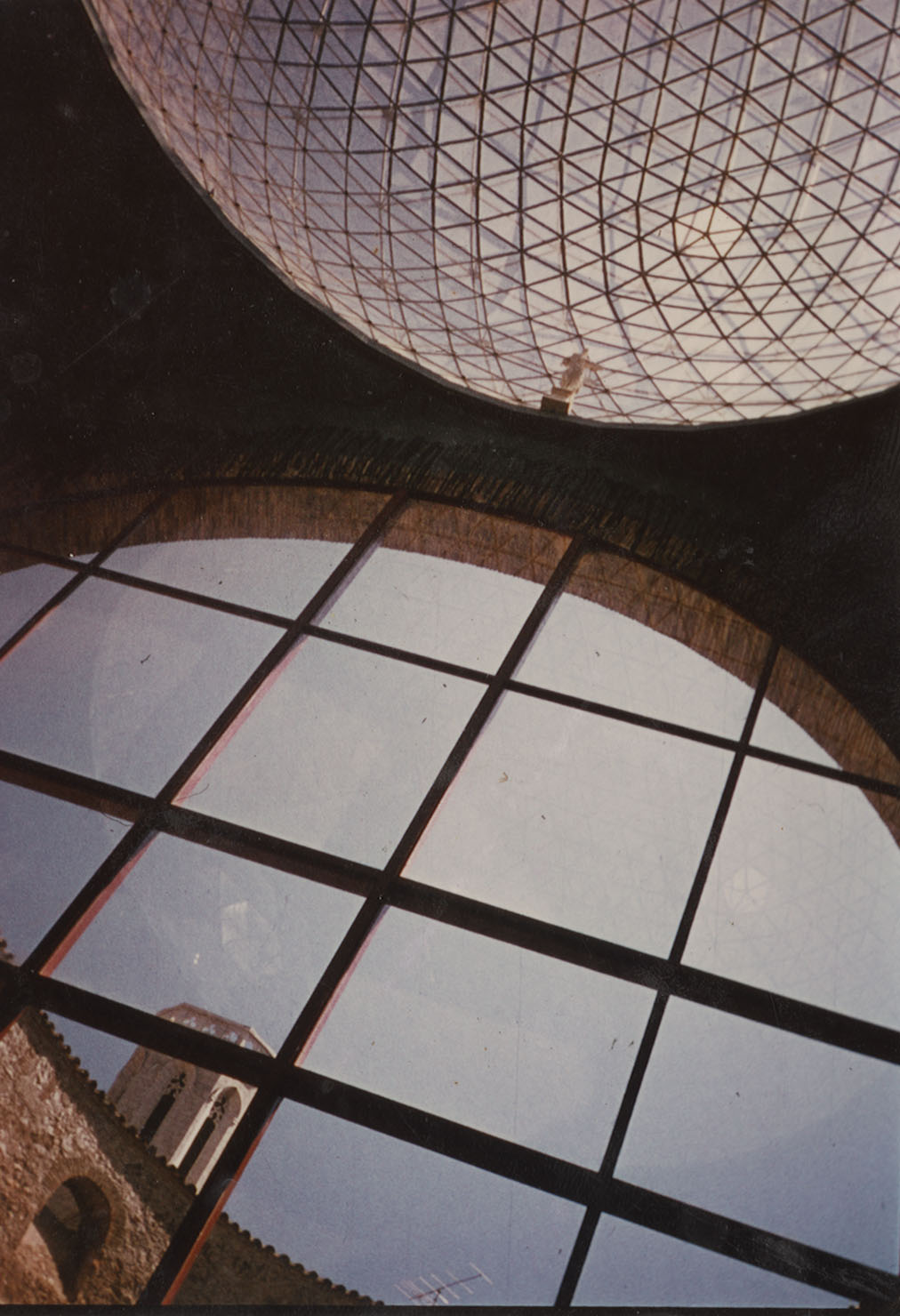
Author Unknown. Teatre-Museu Dalí © Fundació Gala-Salvador Dalí, 2026
An exploration of how Salvador Dalí transformed architecture into a space for giving form to the desires, conflicts and contradictions of psychic life
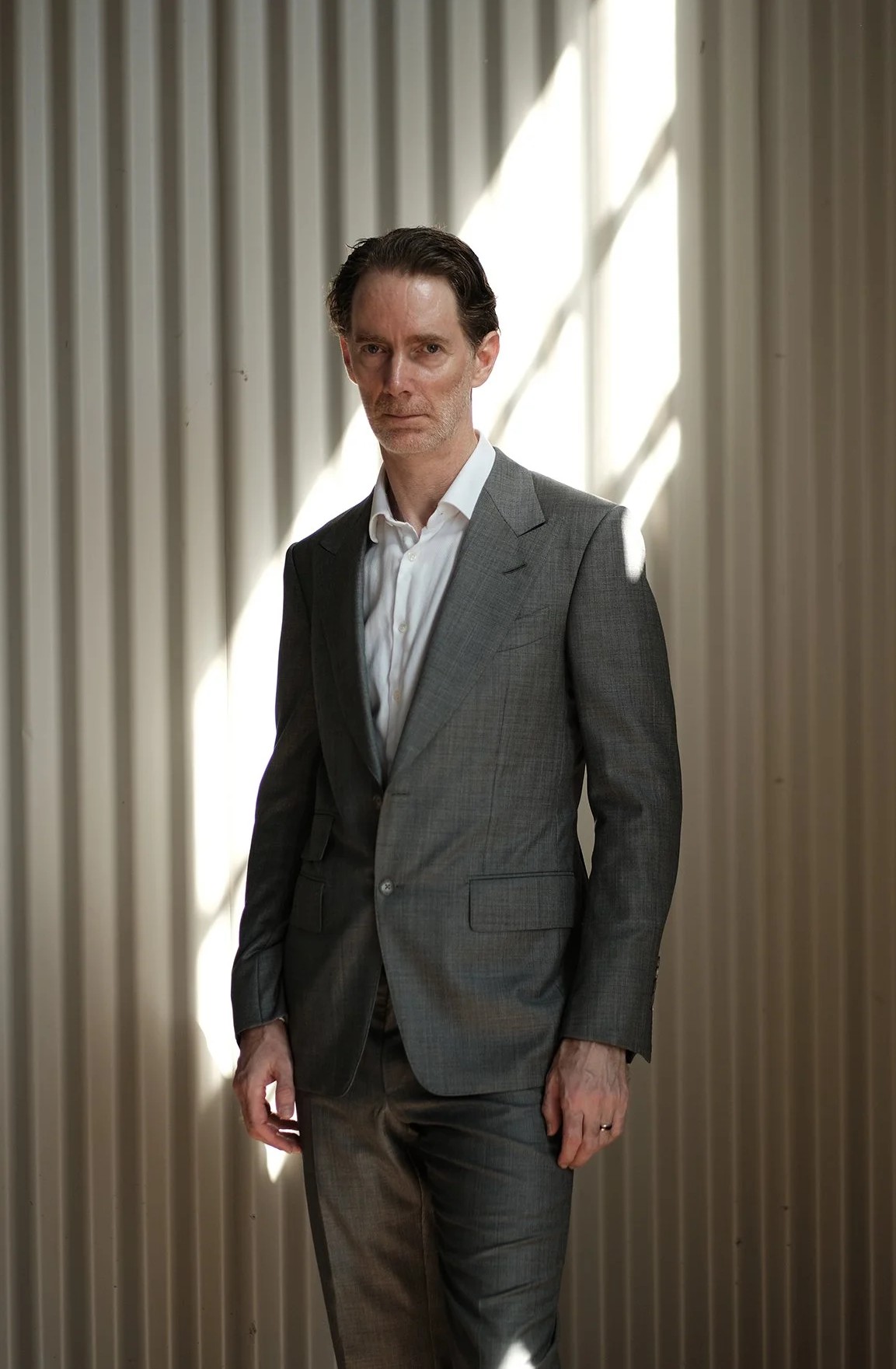
Simon Weir
SIMON WEIR
The Dalí Fellowship Programme of the Fundació Gala-Salvador Dalí has launched the first edition of its international research fellowship programme, an initiative aimed at advancing knowledge of Salvador Dalí’s work, ideas and legacy. As part of the programme, the Dalí Theatre-Museum will host a lecture by Simon Weir, a researcher selected for this first edition. A PhD in Architecture and a specialist in the relationships between surrealism, architecture, art and philosophy, Weir will present original research into Dalí’s fascination with architecture and its capacity to give form to the complexity of the unconscious. This is an exceptional opportunity to discover new perspectives on Dalí’s work through the insights of a leading international researcher.
Passages Through the Unconscious / Passatges a través de l’inconscient
What if architecture could gently guide your unconscious? The lecture traces an idea that develops throughout Salvador Dalí’s work: that art and architecture can become tools capable of accommodating, externalising and, gradually, reintegrating complex and contradictory psychic elements.
The lecture begins with Dalí’s fascination with Art Nouveau as an architecture capable of accommodating forbidden desires, and with the subsequent development of this idea in his paintings. These are examined in relation to D. W. Winnicott’s notion of the “transitional object”: an object through which one can come into contact with complex psychological elements that lie outside the self.
As Dalí’s early ghosts and spectres gradually fade away, his intimate conflicts increasingly become focused on broader mythological, religious and cultural narratives. A fundamental turning point is Crisalida, from 1958, a work in which Dalí transforms the psychological process of moving from anxiety towards serenity into an architectural journey. This movement, which appears deceptively simple, is accompanied by images that emerge along the route and remain ambiguous, layered and unresolved.
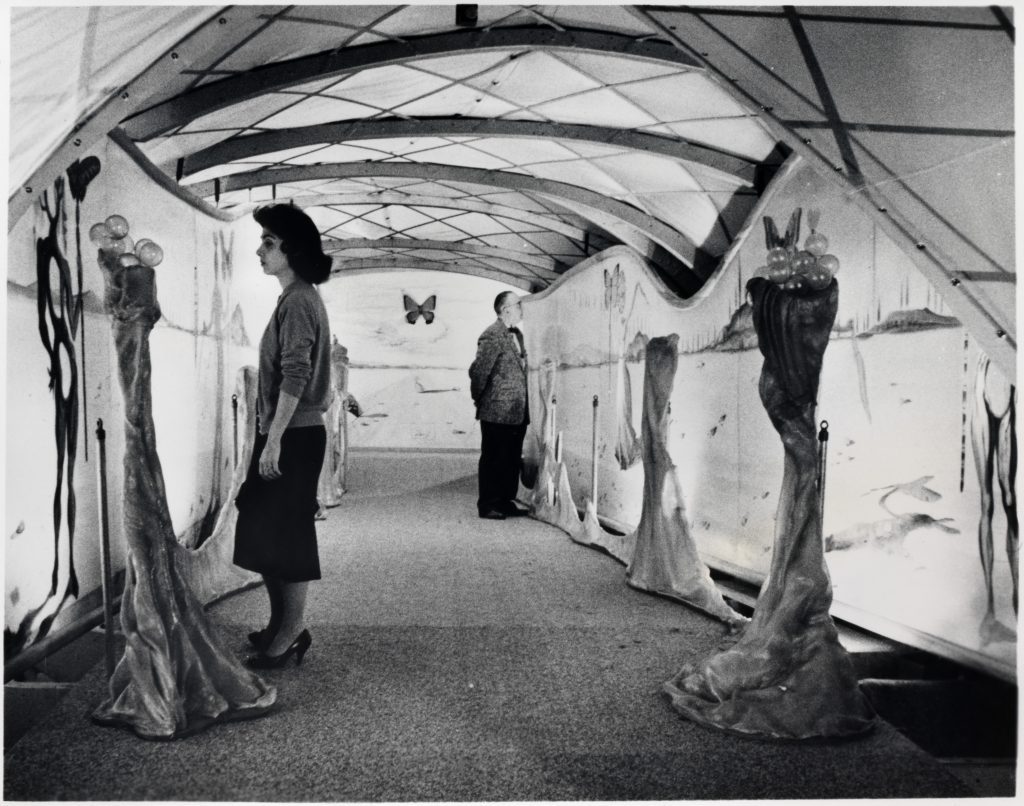
Author unknown. Crisalida, 1958 © Fundació Gala-Salvador Dalí, 2026
The lecture proposes that the Dalí Theatre-Museum also develops this idea, this time in a far more complex architectural form. Here, images become rooms, and rooms become sequences. The visitor wanders through an accumulation of stairways, stories, desires, memories and contradictory symbols that resist any easy synthesis.
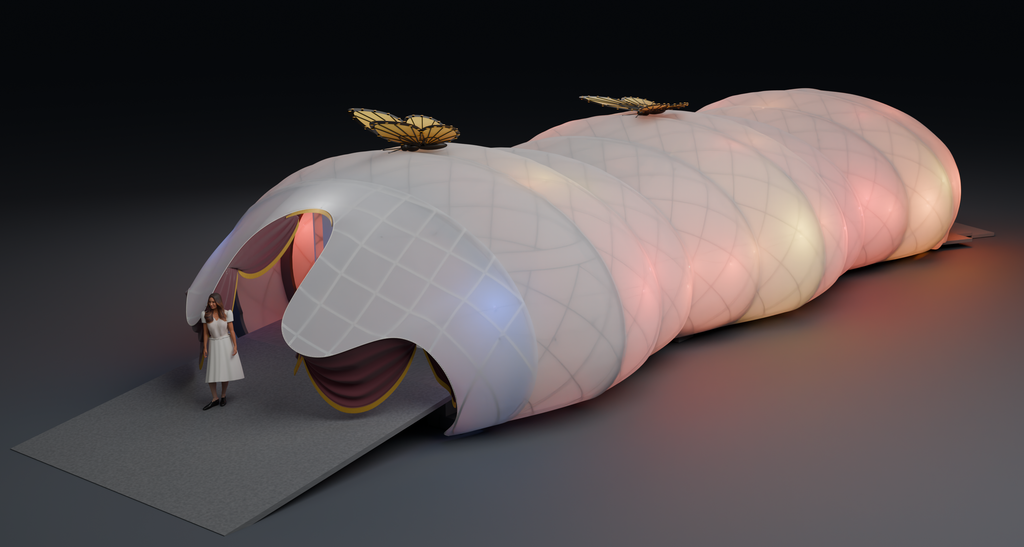
Digital render of Crisalida, 1958 © Dr. Simon Weir, 2026
Rather than creating unity by eliminating differences, the museum constructs continuity through movement and passage. It can therefore be understood as the culmination of Dalí’s lifelong exploration of how architecture can make psychic complexity habitable: not by erasing contradictions or resolving paradoxes, but by allowing fragmented experiences to coexist as parts of a larger whole.
Simon Weir holds a PhD in Architecture from the University of Sydney, where he is a senior lecturer in the School of Architecture, Design and Planning. He is a researcher, writer and surrealist artist specialising in the relationships between surrealism, architecture, art and philosophy. His research explores how surrealism transformed the ways in which perception, space, objects and imagination are understood.
He is currently a research fellow at the Fundació Gala-Salvador Dalí, working on the project Revealed Preferences: Dalí, Gaudí and Architectural Desire, which examines Dalí’s fascination with architecture and its evolution, from his discovery of Art Nouveau and Gaudí to the architectural ideas of the later years of his career.